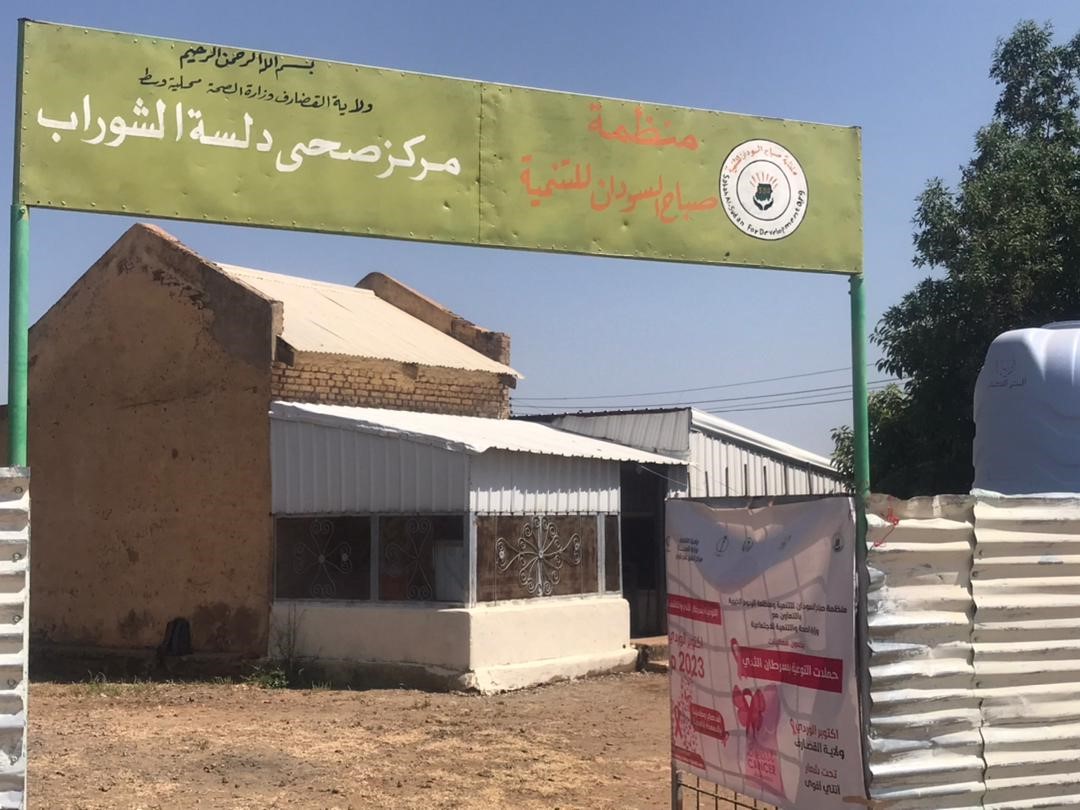
Project tittle : Solar Energy and Medical Supplies Support for 8 Health Centers Project
Project Location: North Darfur State – Sudan
Total Budget: USD 415,070
Administrative Cost: 7%
Project Duration : year
Humanitarian Background
After 1,055 days since the outbreak of war in Sudan, the country continues to face one of the largest humanitarian crises in the world.
The latest humanitarian data indicates the following:
- 33.7 million people are in need of humanitarian assistance (around 70% of the population), an increase of 3.3 million people compared to 2025.
- The main needs include food, health, water, protection, and education.
- The humanitarian response is facing a severe funding gap, with less than 15% of the required 2.9 billion USD currently funded.
Forced Displacement
- More than 12 million people have been displaced inside and outside Sudan.
- Approximately 9.5 million people are internally displaced across different states of Sudan.
Health Situation
The health system has been severely affected by the conflict:
- Around 70% of health facilities are non-functional, according to estimates from the World Health Organization (WHO).
- Nearly 20 million people require health services.
There is also a widespread outbreak of diseases, including:
- Cholera
- Malaria
- Measles
- Hemorrhagic fevers
In addition, the health sector faces major challenges, including:
- Severe shortages of medicines and medical supplies
- Displacement of health workers due to insecurity
- High levels of psychological trauma, especially among women and children
- Critical shortages in mental health and psychosocial support services
Sources:
United Nations data, OCHA briefing to the UN Security Council (19 February 2026), and reports from WFP, UNICEF, WHO, and UNHCR.
Project Overview
The project is expected to improve access to healthcare services for approximately 80,000 beneficiaries annually, including internally displaced persons and host communities, with a focus on maternal and child health services.
In response to these urgent humanitarian and health challenges, this project aims to support 8 health centers in North Darfur State by installing solar energy systems and providing essential medical supplies to ensure the continued delivery of health services for both local communities and internally displaced people (IDPs).
Many health facilities in the state are currently experiencing complete electricity outages due to the destruction of infrastructure during the conflict. This severely limits the ability of health centers to operate medical equipment, maintain vaccine cold chains, and provide emergency services.
Introducing solar energy systems will ensure the continuous operation of health services 24 hours a day, particularly in areas that lack stable energy sources.
The project will contribute to:
- Operating 8 health centers with sustainable electricity
- Improving access to healthcare for approximately 80,000 beneficiaries per year
- Ensuring safe storage of vaccines and medicines through reliable cold chain systems
- Strengthening emergency services and primary healthcare
- Reducing the disruption of health services caused by power outages
Overall Objective
To strengthen the continuity and quality of healthcare services in conflict-affected areas by providing sustainable energy solutions and essential medical supplies to health facilities.
Expected Results
- 8 health centers powered by sustainable solar energy.
- Improved healthcare access for around 80,000 beneficiaries annually.
- Safe storage of vaccines and medicines through reliable refrigeration.
- Strengthened emergency and primary healthcare services.
- Reduced disruption of health services caused by electricity shortages.
Project Outputs
- 8 health centers powered by sustainable solar energy.
- Installation of 8 solar energy systems.
- Provision of 8 essential medical supply packages.
- Training of 16 healthcare staff on system operation and maintenance.
- Improved healthcare services for approximately 85,000 beneficiaries annually.
Custom Impact Metrics
Healthcare Access
- 80,000 beneficiaries receiving improved healthcare services annually.
- 8 health centers operating continuously.
- 300–400 patients receiving healthcare services daily.
Energy Reliability
- 24-hour electricity supply in each health center.
- 100% of essential medical equipment functioning.
- 8 vaccine refrigerators operating continuously.
Maternal and Child Health
- 12,000 pregnant women receiving maternal healthcare services annually.
- 20,000 children receiving vaccination and healthcare services.
Medical Services
- 50,000 medical consultations provided annually.
- Strengthened emergency and primary healthcare services.
Community Impact
- Improved resilience of communities affected by displacement.
- Strengthened healthcare services in areas where 70% of health facilities are non-functional according to the World Health Organization
Target Beneficiaries
Direct Beneficiaries
- Approximately 85,000 people per year from host communities and internally displaced populations.
Indirect Beneficiaries
- More than 150,000 people from surrounding communities.
Priority Groups
- Pregnant women
- Children under five
- Elderly people
- Emergency patients
- Internally displaced persons (IDPs)
Project Components
Solar Energy Systems
- Installation of 8 integrated solar energy systems for health centers.
- Ensuring 24/7 electricity supply for medical equipment and vaccine refrigerators.
- Training health staff on operation and maintenance.
Medical Supplies
- Provision of essential medical supply packages for each health center.
- Support to emergency and primary healthcare services.
- Strengthening maternal and child health services.
Ambulance Support for Emergency Referrals
Due to long distances between villages and health centers in North Darfur, the project will provide one fully equipped ambulance to support emergency referrals and patient transportation.
The ambulance will:
- Transport emergency patients from remote villages to health centers.
- Support maternal emergency referrals and safe delivery services.
- Facilitate referrals to higher-level hospitals when necessary.
- Reduce preventable deaths caused by delayed access to healthcare.
The ambulance is expected to serve approximately:
8,000–10,000 patients per year.
Expected Results
By the end of the project, the following results are expected:
1. Improved Energy Availability in Health Facilities
- 8 health centers operating with sustainable solar power systems.
- Reliable 24-hour electricity supply for targeted health centers.
2. Improved Access to Healthcare Services
- Approximately 80,000 beneficiaries annually accessing improved health services.
- Around 50,000 medical consultations provided each year.
3. Strengthened Maternal and Child Health Services
- About 12,000 pregnant women receiving healthcare services.
- Around 20,000 children receiving vaccination and healthcare services.
4. Improved Vaccine Cold Chain
- Continuous operation of 8 medical refrigerators for vaccine storage.
- Reduced loss of temperature-sensitive vaccines and medicines.
5. Strengthened Local Health System Capacity
- Health facilities supported with essential medical supplies.
- Improved capacity of health centers to respond to medical emergencies.
6. Emergency Medical Transportation Support
- Provision of one equipped ambulance serving the targeted health centers.
- Transportation of approximately 8,000–10,000 patients annually from remote villages to health facilities.
- Improved emergency referrals and maternal emergency care.
The project will be implemented by Sabah Alsudan for Development Organization SDO, which works to strengthen community resilience and improve access to essential services in crisis-affected areas.
The organization focuses on:
- Supporting health facilities with equipment and sustainable energy solutions.
- Promoting reproductive health programs.
- Improving maternal and child health services.
- Strengthening primary healthcare systems.
- Supporting communities affected by humanitarian crises.
Monitoring and Evaluation
A structured Monitoring and Evaluation (M&E) system will be implemented to ensure the project achieves its objectives efficiently and transparently while measuring the impact of the intervention on health services in North Darfur State.
The monitoring mechanisms will include:
1. Baseline Assessment
An initial assessment will be conducted in the targeted health centers to determine the current situation regarding electricity availability, functionality of medical equipment, vaccine storage capacity, and the number of patients receiving services.
2. Regular Monitoring
The project team will monitor implementation through:
- Monthly field visits to health centers
- Monitoring the performance of solar energy systems
- Tracking availability of medical services and supplies
- Collecting beneficiary data from health facilities
3. Key Performance Indicators
- Number of health centers operating with solar energy
- Number of beneficiaries accessing health services monthly
- Number of vaccines stored through cold chain systems
- Number of medical consultations provided
- Daily hours of electricity availability in health centers
4. Reporting
The project will produce regular reports including:
- Monthly progress reports
- Financial reports on resource utilization
- Mid-term progress report
- Final project report highlighting results and humanitarian impact
5. Final Evaluation
At the end of the project, a final evaluation will be conducted to assess:
- Achievement of project objectives
- Impact of solar energy on the continuity of health services
- Improved access to healthcare for local communities and internally displaced people.
Sustainability
The project has been designed to ensure that its benefits continue beyond the funding period.
Key sustainability measures include:
1. Solar Energy as a Sustainable Power Source
Solar systems have low operating and maintenance costs, ensuring long-term energy availability for health facilities.
2. Capacity Building for Local Staff
Local technicians and health workers will receive training on:
- Operation and maintenance of solar systems
- Efficient energy management in health facilities
3. Coordination with Local Health Authorities
The project will be implemented in coordination with the State Ministry of Health in North Darfur to ensure integration within the official health system.
4. Community Engagement
Local community committees will be involved in monitoring the health centers and supporting the protection and maintenance of equipment.
5. Scalability
The project can serve as a replicable model for expanding solar-powered health facilities in other conflict-affected regions of Sudan.
Humanitarian Message
Providing sustainable energy to health centers in conflict-affected areas is not merely a technical intervention—it is a life-saving investment that ensures safe healthcare for mothers and children and strengthens community resilience in one of the world’s most severe humanitarian crises.